Slab Leak Detection in Pflugerville, TX
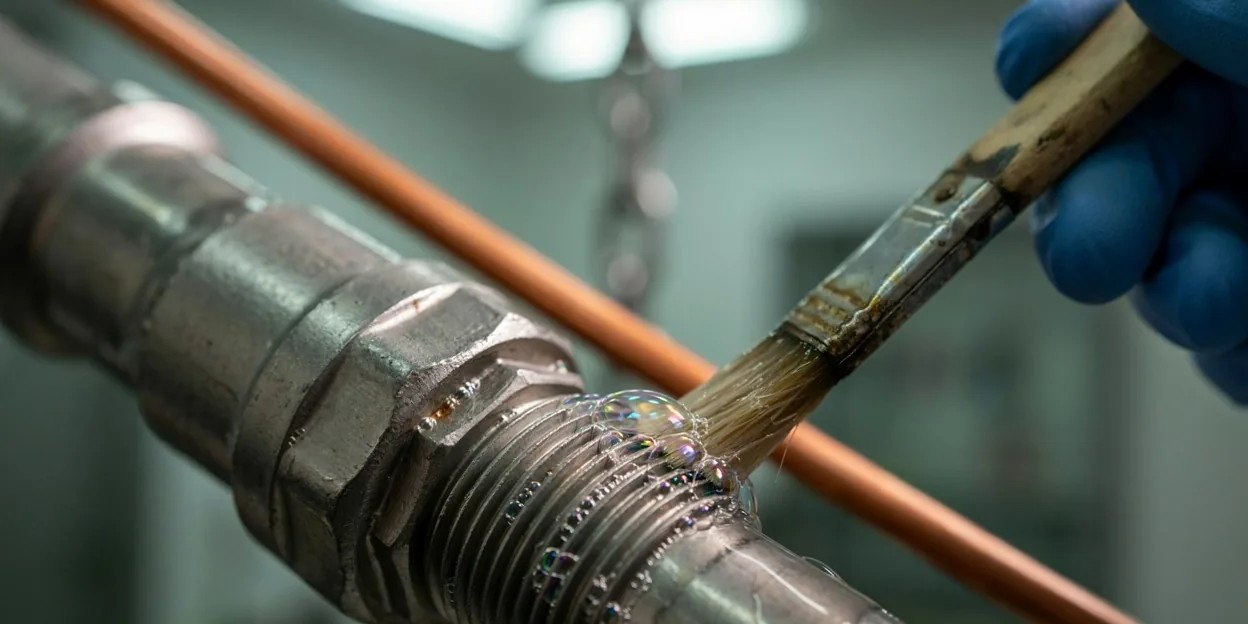
The water bill came in sixty dollars higher than last month, and last month was higher than the one before. There is no drip anywhere in the house. But the tile in front of the pantry is warm underfoot in the morning, and the laminate in the hall has a raised seam that was not there in the spring. In a Pflugerville house on a slab, that is a hot-water line under the floor. This site routes your call to an independent local provider who does slab leak detection in Pflugerville and across northeast Travis County.
Finding a leak under two inches of concrete without a jackhammer
The crew starts at the meter. With every fixture closed, a moving meter dial means water is leaving the system somewhere. Then they isolate hot from cold at the water heater to narrow it down. The floor gets scanned with an infrared camera, which shows the warm plume of a hot-water leak spreading under the tile, and with acoustic listening equipment that picks up the hiss of water escaping under pressure.
Pressure testing confirms which line and roughly where. Only then does anyone mark the floor. The point is one access hole where the leak is, not three exploratory ones where it is not. Once the line is repaired or rerouted through the attic, structural drying takes over the wet slab and the walls it fed.
What to check before the leak crew knocks
Look at the meter in the box near the sidewalk with everything in the house off, and note whether the small dial turns. Feel the floors in socks in the morning and mark any warm patch with tape. Check for a soft baseboard, a door that started sticking, or a hairline crack in the tile that appeared with the wet spot. Pull last year's water bills. Then call and say what you found.
Repair or reroute, and what happens to the floor
A single pinhole in an accessible spot can be repaired through one opening in the slab. When the copper under the floor is old or has failed before, most plumbers recommend abandoning the line and running a new one through the attic and down the walls, which avoids a second hole in a year. The plumber makes that call. The provider dries what the leak soaked, and the flooring over the wet area, laminate especially, usually comes out. Tile around the access point is replaced after the patch cures.
Why Pflugerville slabs leak more than the ones across the county line
Pflugerville sits on Blackland Prairie clay, the deepest and most active soil in Travis County. It swells after a wet spring and shrinks in a dry August, and the slab and the copper cast into it ride that movement year after year. Subdivisions from the 1980s and 1990s, such as Windermere, Gatlinburg, and Settlers Ridge, have copper under the floor that is now thirty to forty years old. Houses built after 2005 usually have PEX, which flexes better, but the fittings can still fail.
Water from a slab leak wicks into the bottom of the drywall the same way water from a burst pipe does, so a slab job often ends the same way a burst pipe water damage job does: with the bottom foot of a few walls opened. If the floor is wet but the meter is not moving, the source may be outside, and creek flood cleanup or a roof problem becomes the question.
Texas policies vary on slab leaks. Some cover the tear-out and repair of what the leak damaged and not the pipe, and some exclude a slow leak as gradual damage. Ask the provider to document the readings and the location from the first visit.
Call about the warm spot on the floor
Say where the warm patch or the cupped floor is, whether the meter turns with the house shut off, and how long the bill has been climbing. Call (512) 855-6202 and describe what you found.